
Face
Preference Test
This is not a photo rating. It shows which faces you’re drawn to. Your own appearance isn’t part of the test.
Free · 2 minutes · No photo or account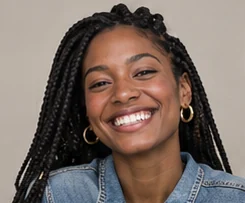

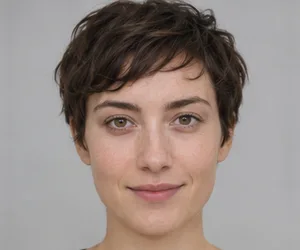

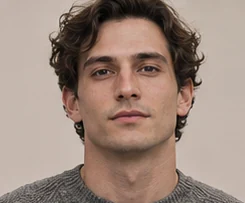
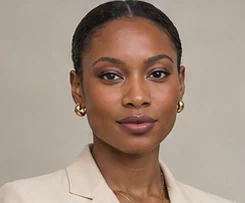


What the test measures
The test measures which visual styles you choose more often in a set of portraits. Go with your first impression so you record what catches your attention before you start weighing individual features or trying to explain your taste. Pick as many faces as you like, or skip a round if none stands out.
Six rounds give each visual style repeated chances to catch your eye while keeping the test short. The portraits show fictional adults generated with AI, so the test can present a range of looks without using real people’s likenesses as material for judging attraction. Seeing a style more than once also helps you tell the difference between one memorable portrait and a look you return to.
Three different kinds of face tests
| Test | What it measures |
|---|---|
| Face preference | This test shows which visual styles you tend to choose. |
| Face recognition | A separate task measures how accurately you remember and identify faces you’ve seen before. |
| Appearance rating | A separate tool assigns a score to someone’s appearance. |
How to read your result
5/8 means you picked five of the eight portraits shown in that style. Look across the rows to see which styles caught your eye most often. The denominator tells you how many chances you had to pick each style. If two rows have similar counts, look at the portraits you picked in each. You might find that more than one kind of look appealed to you in this run.
- A named visual type
- You made at least four picks overall, chose the leading style in at least two rounds, and that style finished clearly ahead of the runner-up.
- Still Exploring
- You picked fewer than four faces. The result still shows your choices and counts.
- An Eye for Variety
- You picked at least four faces, but no single style met the conditions for a named result.
What a portrait can’t tell you
A single click captures your response to a whole image. Expression, hair, and styling appear together, so the choice alone can’t tell you which detail drew you in. Even a pattern across several portraits describes the choices you made in this set. If you keep picking portraits with short hair, for example, those portraits may also share a similar expression or style. The clicks alone can’t separate their effects.
In person, a voice, a joke, or the way a conversation unfolds can change how someone comes across. Researchers could predict some general tendencies from pre-date information, but struggled to predict who would feel a particular spark with whom after they met. Read the speed-dating study.
Choose which faces to see
Face preference test for male faces
Choose Men to see only fictional male portraits. Your result compares the visual styles you picked within that group.
Face preference test for female faces
Choose Women to see only fictional female portraits. The result uses the same six rounds and scoring rules.
Face preference test FAQ
Do I have to provide a picture of myself?
No. You just choose from the fictional portraits shown in the test.
How long will it take to see my result?
About two minutes. Your result appears right after the sixth round.
Can I see male and female faces in the same run?
Yes. Choose Both for a mixed set and one combined result, or choose a single group to focus on those portraits.
Will this tell me how good I am at recognizing faces?
No. Face recognition tasks ask whether you can identify someone you’ve seen before. Here, you tap whichever faces catch your eye.
Is this the same as the Szondi test?
No. Szondi was a historical projective test. This result summarizes your portrait choices and shows the visual styles you tended to pick.
Is this the face quiz people share on TikTok?
The tool here is called MyType Quiz. If you’ve seen a video where someone picks faces and shares a visual type card, that’s the format you can try here.